Modern Japanese cuisine pairs exacting technique with playful contrasts: a chef may serve pristine sashimi beside citrus, fermented seasonings, or a sauce inspired by another culinary tradition. Its appeal lies not in novelty alone, but in the balance of seasonality, texture, temperature, and umami. Japan’s Ministry of Agriculture, Forestry and Fisheries reported 23.4 million foreign visitors in 2024, a record at the time, helping make Japanese food culture increasingly visible worldwide. This article explains the principles behind that precision, explores how unexpected flavors are used, and shows how regional ingredients and contemporary kitchens bring the approach to life.
Modern Japanese cuisine balances precision with unexpected flavor twists
“Modern Japanese cuisine” is a broad description rather than a single codified school. It encompasses contemporary cooking rooted in Japanese ingredients, culinary knowledge, and cultural practices, while allowing influences from abroad and experimentation with flavor and presentation. The Japanese government’s official “Washoku” description emphasizes respect for nature, seasonal ingredients, and the distinctive use of fresh produce and seafood. Modern chefs extend these foundations through techniques such as fermentation, precise temperature control, and cross-cultural pairing.
The result is a cuisine that can feel restrained and surprising at once. Precision gives a dish its structure; a twist—such as yuzu with olive oil, miso with butter, or a smoky accent on delicate fish—adds contrast without erasing the ingredient’s character. These choices matter beyond fine dining: they shape how Japanese food is interpreted internationally and encourage cooks to consider seasonality, sourcing, and flavor balance as connected decisions.
Precision defines modern Japanese cuisine’s essential attributes
Precision in this context means deliberate control over ingredients, preparation, timing, temperature, and presentation so that a dish’s intended qualities are clear. It is not a formal definition issued by one authority; it is a practical synthesis of techniques associated with Japanese cooking. The Japanese Ministry of Agriculture, Forestry and Fisheries describes washoku as a food culture shaped by seasonal produce, varied ingredients, and respect for nature—principles that help explain why careful selection and preparation are so important.
This precision has several related forms: knife work, heat control, seasoning, fermentation, and visual composition. They are not isolated skills. A cut affects a fish’s texture; temperature changes the perception of fat and sweetness; seasoning can sharpen or soften the impression of umami. Once those fundamentals are in place, a chef can introduce an unexpected flavor with greater control.
Seasonality and ingredient selection
Seasonality means choosing ingredients when their flavor, texture, or cultural significance is at its peak. In Japanese cuisine, this may be communicated through the ingredient itself, its preparation, or a garnish associated with a particular time of year. The government’s description of washoku identifies seasonal ingredients and respect for nature as central features, making seasonality more than a decorative menu theme.
A seasonal foundation also makes experimentation more coherent. A chef might pair a spring vegetable with a sharp citrus dressing, or use a robust fermented condiment to complement autumn mushrooms. The contrast works because the main ingredient remains legible. For diners, seasonal menus offer a practical way to notice how Japanese cuisine connects food choices to local landscapes and the calendar.
Knife work, texture, and temperature
Knife work is the controlled shaping of an ingredient to influence its appearance and eating quality. In sushi and sashimi, cut direction, thickness, and surface treatment can change how fish feels on the palate. Temperature is equally consequential: chilled seafood, warm rice, and a hot broth each deliver aromas and textures differently. These are not simply matters of presentation; they are part of how the dish’s flavor is experienced.
The same discipline supports bolder combinations. A carefully cut piece of fish can withstand a bright condiment without becoming overwhelmed, while a precisely cooked vegetable can provide a stable counterpoint to an intensely flavored sauce. Chefs often use contrast in temperature and texture—crisp against soft, cool against warm—to make a dish dynamic without adding unnecessary complexity.
Umami, dashi, and controlled seasoning
Umami is commonly described as a savory taste associated with compounds including glutamate. Dashi, a family of Japanese stocks often made with kombu and dried fish such as katsuobushi, provides a foundational source of savory depth. The Umami Information Center explains that glutamate and nucleotides can work synergistically, intensifying perceived umami; this helps explain why certain dashi ingredients are combined rather than used separately.
For contemporary cooks, this foundation offers a way to build flavor without relying only on salt or richness. Dashi can support a delicate broth, a sauce, or a vegetable dish, while miso and soy sauce add fermentation-derived depth. A chef can then layer a sharp, bitter, or aromatic accent—such as citrus zest, herbs, or spice—so that the twist has a savory base to play against.
Unexpected flavor twists extend Japanese cuisine’s flavor vocabulary
An unexpected flavor twist is a deliberate pairing that introduces contrast or a new aromatic association while preserving the dish’s balance. It may draw on another cuisine, a less familiar ingredient, or an unusual combination of texture and temperature. The goal is not fusion for its own sake: the twist should clarify, complement, or productively challenge the main ingredient.
This approach is particularly effective when chefs understand the traditional building blocks first. Fermented seasonings, citrus, dashi, and seasonal produce each have recognizable roles, making them useful anchors for experimentation. From there, contemporary cooking can move toward fermentation-led innovation, cross-cultural pairings, or reimagined regional dishes.
Fermentation as a source of depth and surprise
Fermentation uses microorganisms and time to transform ingredients, producing changes in aroma, texture, acidity, and savory character. Miso, soy sauce, and rice vinegar are familiar examples in Japanese cooking. Modern kitchens may also experiment with fermented vegetables, koji-based marinades, or longer-aged condiments, adjusting the process to create a more pronounced or unconventional flavor.
Fermentation can make a surprising combination feel integrated rather than arbitrary. Miso’s savory depth can temper sweetness; vinegar can lift a fatty ingredient; koji can contribute both aroma and enzymatic tenderizing effects. The Japan Fermentation, Brewing and Food Culture Promotion Organization documents fermentation as a longstanding part of Japanese food culture, while contemporary chefs continue to adapt these practices to new ingredients and menus.
Cross-cultural pairings and modern plating
Cross-cultural pairing brings Japanese ingredients or techniques into conversation with other culinary traditions. Examples include using olive oil with sashimi, presenting dashi in a Western-style sauce, or combining Japanese citrus with dairy. Such pairings work best when they account for intensity and texture: a strong condiment can dominate delicate fish, while a measured acidic or herbal note may make its natural sweetness more distinct.
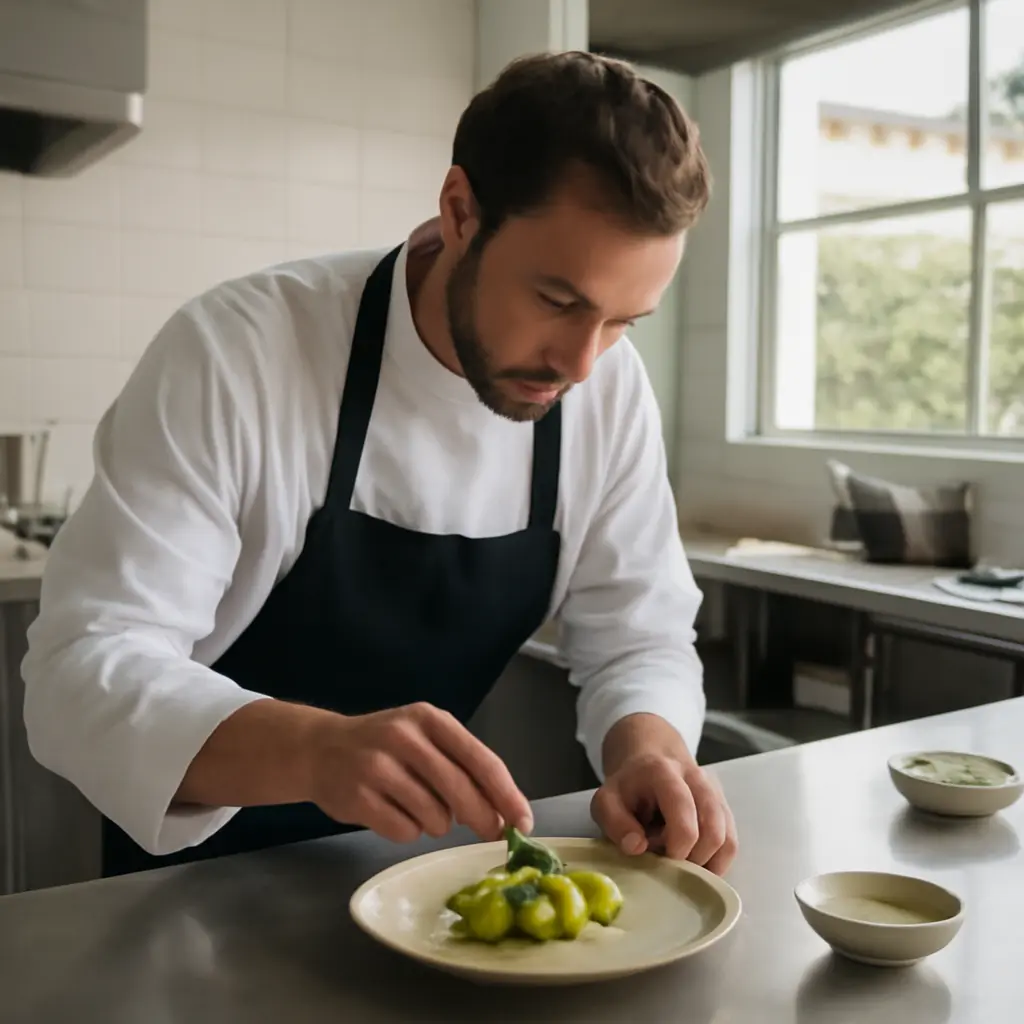
Plating is another avenue for contemporary expression. Negative space, varied heights, and carefully chosen serving vessels can direct attention to a dish’s colors and textures. Presentation does not substitute for flavor, but it shapes expectations and helps communicate a chef’s intent. Japan’s growing international food profile provides a wider audience for these interpretations: the Japan National Tourism Organization counted 36.87 million international arrivals in 2024, a record annual total, with food among the experiences promoted to visitors.
Regional ingredients and contemporary reinterpretation
Regional cooking offers a grounded source of innovation. Japan’s varied climates and coastlines support distinctive produce, seafood, seasonings, and culinary traditions. A modern restaurant may reinterpret a regional dish through lighter sauces, new cooking methods, or an unexpected garnish while retaining its connection to local ingredients and memory.
The Ministry of Agriculture, Forestry and Fisheries’ “Savor Japan” initiative promotes food experiences tied to local production and regional culture. This illustrates how contemporary cuisine can serve both as creative practice and as a way to communicate place. When chefs identify the origin of an ingredient and explain why it is used, a flavor twist becomes more than a novelty: it can express the geography and history behind the meal.
Real-world applications show how precision enables creativity
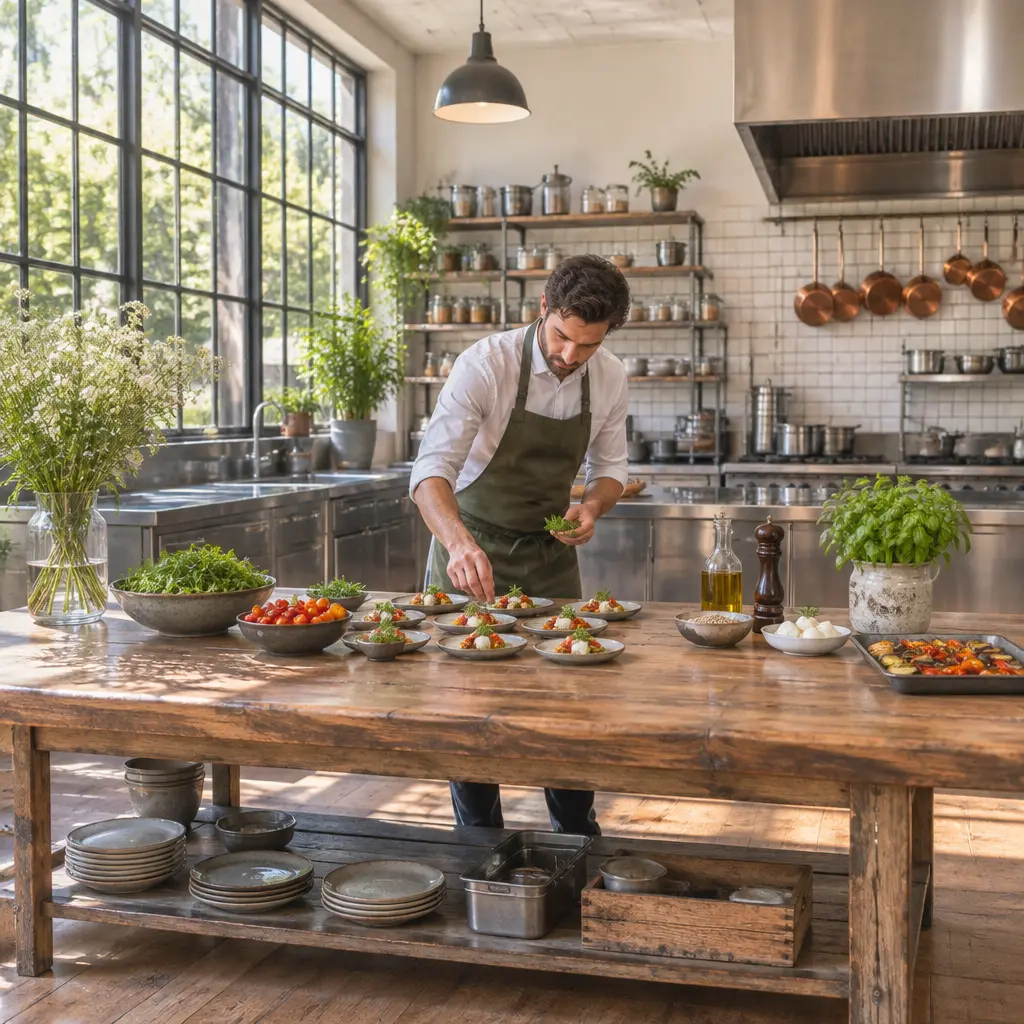
A useful way to understand the balance is to imagine a contemporary tasting menu. A chef might begin with a seasonal vegetable prepared at a precise level of tenderness, add a dashi-based broth for savory depth, and finish with a small amount of citrus or fermented seasoning. Each element has a defined purpose: the vegetable leads, the broth supports, and the final accent creates contrast.
At a restaurant level, the same logic informs menu development. Kitchens can test a new pairing by asking whether the main ingredient remains identifiable, whether acidity and salt are in balance, and whether the texture and temperature support the intended effect. These checks help prevent a fashionable ingredient from overpowering the dish. They also make creative work more repeatable, an important consideration for restaurants serving many guests.
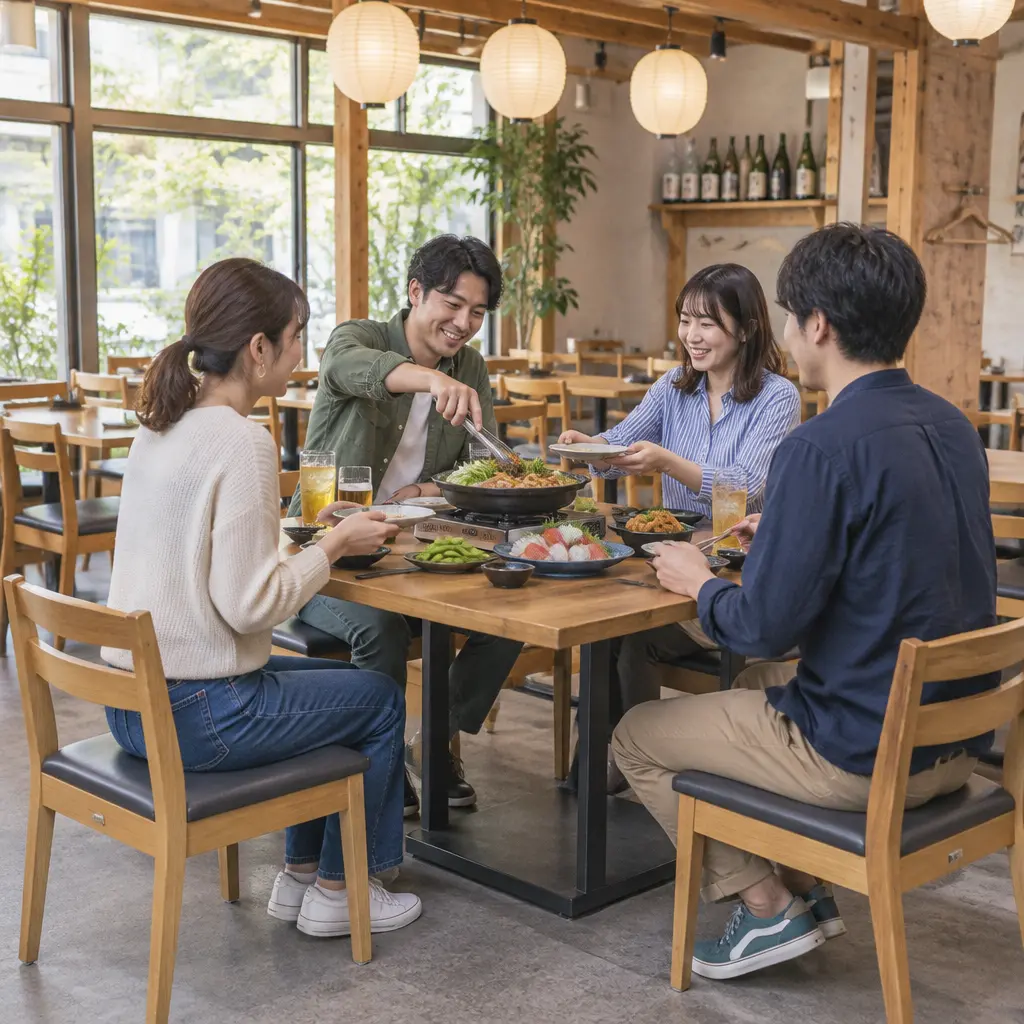
Visitors can explore the idea beyond high-end restaurants by seeking regional specialties, market foods, and seasonal menus. The Japan National Tourism Organization’s record 36.87 million arrivals in 2024 underscores the scale of international interest in visiting Japan, while the government’s food-tourism programs show how local ingredients and culinary traditions are part of that experience. Food travelers can deepen their understanding by asking what is in season, where an ingredient comes from, and which preparation technique defines the dish.
Conclusion: precision gives modern Japanese cuisine room to surprise
Modern Japanese cuisine balances precision and unexpected flavor through seasonality, careful knife work, temperature control, umami-rich foundations, and deliberate seasoning. Fermentation, cross-cultural pairings, refined presentation, and regional ingredients expand that vocabulary, while thoughtful technique keeps experimentation connected to the food’s identity. Japan’s record 36.87 million international arrivals in 2024 also reflects the growing global audience for Japanese food and travel experiences.
For cooks and diners alike, the central lesson is to treat innovation as a form of attention: understand the ingredient, respect its context, then introduce contrast with intention. To explore further, try a seasonal Japanese menu, learn how dashi or miso shapes flavor, or seek out regional food experiences that explain the ingredients behind each dish.
Sources: Ministry of Agriculture, Forestry and Fisheries of Japan, “What is Washoku?”, https://www.maff.go.jp/e/policies/market/k_ryouri/whatiswashoku.html; Japan National Tourism Organization, “Visitor Arrivals to Japan in December 2024,” https://www.jnto.go.jp/news/press/20250115_monthly.html; Umami Information Center, “Umami and Synergy,” https://www.umamiinfo.com/what/whatis/; Japan Fermentation, Brewing and Food Culture Promotion Organization, “Japanese Fermentation Culture,” https://hakko-department.com/; Ministry of Agriculture, Forestry and Fisheries of Japan, “Savor Japan,” https://www.maff.go.jp/e/policies/market/k_ryouri/