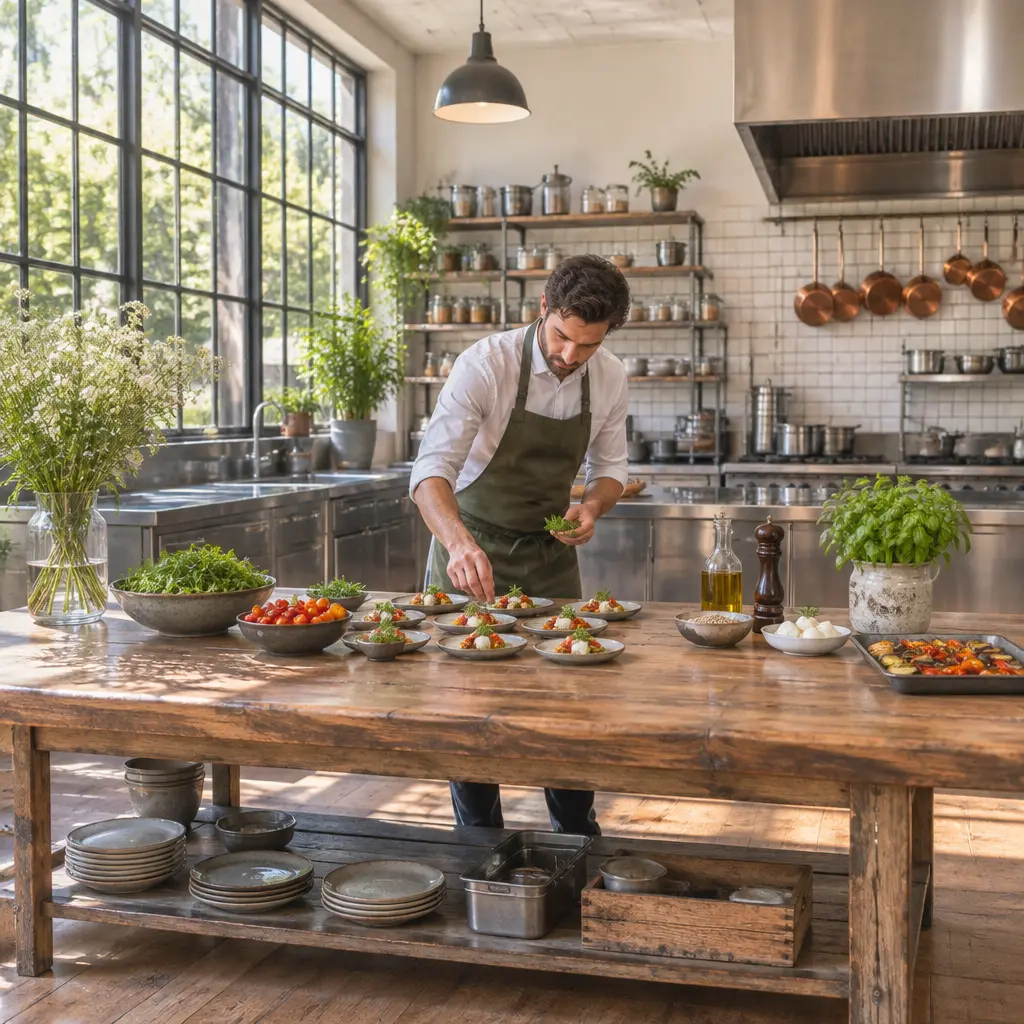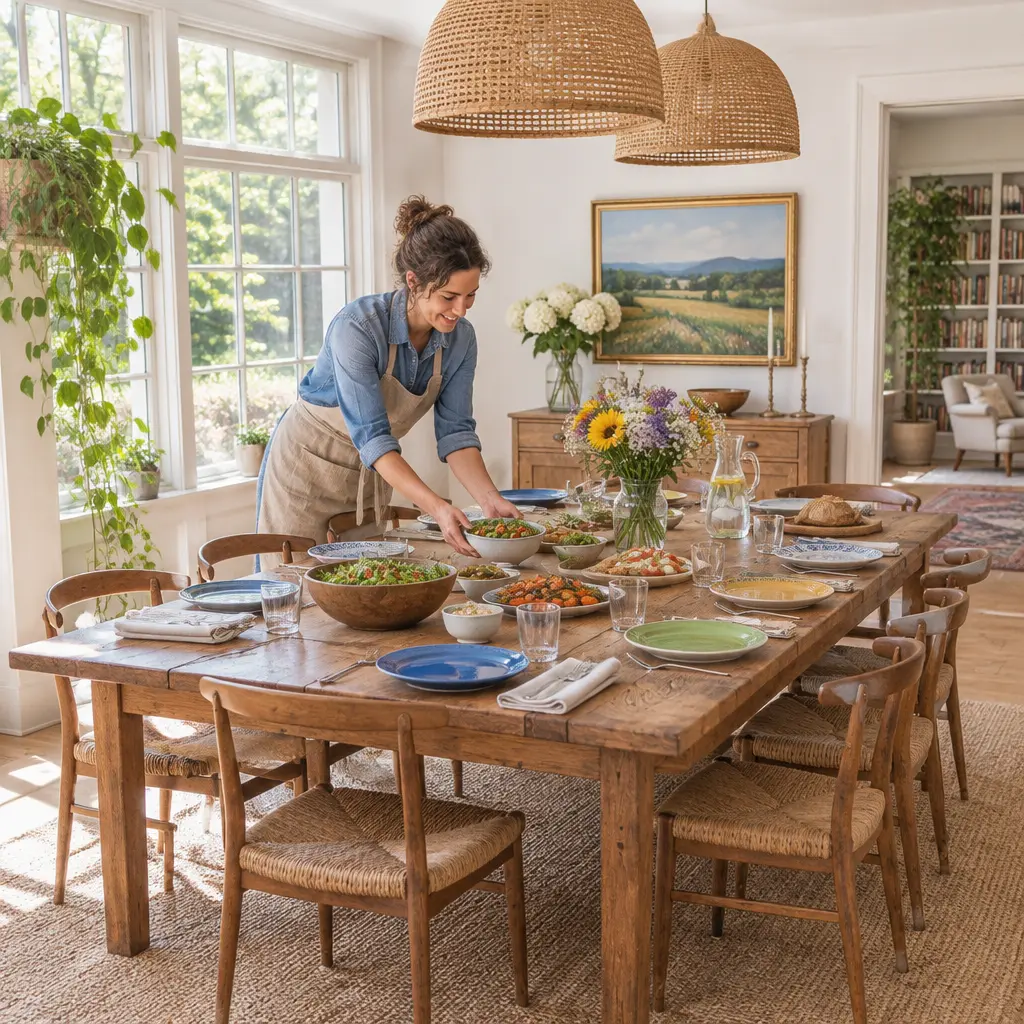
Sharing-plate sequencing is the intentional order in which small, shareable dishes arrive at a table to shape appetite, attention, and the pace of a meal. A useful sequence generally moves from bright, lighter bites to richer, more substantial plates, then finishes with a refreshing or sweet note. This approach draws on established culinary practices rather than a single proven formula: restaurant guidance emphasizes pacing and variety, while sensory research shows that flavor intensity, texture, and contrast influence how foods are experienced. Thoughtful sequencing can make a shared meal feel coherent, encourage conversation, and help diners navigate portions without treating any one order as mandatory.
Build meal momentum with sharing-plate sequencing
Sharing plates are small dishes intended for a table to sample together, rather than individual entrées served in fixed portions. Sequencing means choosing both the order and timing of those dishes. In practice, hosts can start with crisp, acidic, or raw preparations; progress to savory, warm, and more filling plates; and conclude with fruit, cheese, or dessert. The goal is not simply to serve “light to heavy,” but to create changes in flavor, temperature, texture, and intensity that keep the meal engaging.
This matters because shared dining is both a food experience and a social one. The National Restaurant Association’s 2024 culinary forecast identified shareable formats and global flavors among notable dining trends. Meanwhile, research on sensory-specific satiety— the tendency for enjoyment of a particular food to decline as it is repeatedly eaten—helps explain why contrasting flavors and textures can sustain interest. These findings support variety and pacing, though they do not establish one universally optimal sequence.
Define the attributes of sharing-plate sequencing
There is no single formal definition of “sharing-plate sequencing” issued by a culinary authority. For this article, it means the planned progression and spacing of communal dishes according to their sensory weight, temperature, flavor intensity, and role in the meal. It combines the logic of a tasting menu with the flexibility of family-style service: dishes may arrive in waves, but guests can choose what and when to eat.
The sequence has four practical attributes: progression, contrast, pacing, and balance. Progression guides diners from opening bites toward more substantial food; contrast prevents consecutive dishes from feeling alike; pacing gives a group time to talk and finish plates; and balance considers dietary needs, portions, and the number of dishes. These attributes work together, so a meal can be carefully planned without requiring every plate to be eaten in a strict order.
Progression from bright to substantial
Progression is the movement from relatively delicate or refreshing dishes toward more filling, richly seasoned ones. A typical opening might include olives, raw vegetables, citrus-dressed seafood, or a crisp salad. The middle can introduce grilled vegetables, dumplings, or roasted fish, followed by braised meat, grains, or other substantial plates. This is a flexible convention, not a rule: a cold, rich dish can work early if it is balanced by acidity or a lighter accompaniment.
A practical test is to consider how much a dish lingers on the palate and how filling it is. Strong smoke, heavy cream, deep frying, and concentrated sweetness can dominate lighter flavors, so they often work better later or in smaller portions. The United States Department of Agriculture’s Dietary Guidelines for Americans encourage varied food choices and attention to nutrient-dense foods; applying that idea to a shared table means including vegetables, legumes, grains, and proteins rather than letting a succession of rich plates define the whole meal.
Contrast in flavor, texture, and temperature
Contrast is the deliberate alternation of sensory qualities—for example, crunchy next to tender, cool next to warm, or acidic next to fatty. A cucumber salad can reset the palate after fried potatoes; a crisp pickle can enliven a rich pâté; and a warm flatbread can provide a different texture alongside chilled dips. Contrasts make the table feel varied without requiring every dish to be elaborate.
The scientific basis is related to sensory-specific satiety and cross-modal perception: repeated exposure to a similar taste or texture may reduce its appeal, while changes in sensory cues can renew attention. Research by Barbara Rolls and colleagues on sensory-specific satiety has documented that liking can decline more for foods already eaten than for uneaten foods. This does not mean every course needs a dramatic contrast; one distinctive change between adjacent plates is often enough.
Pacing, portions, and arrival rhythm
Pacing is the interval and order in which plates reach the table. Serving everything at once maximizes choice but can crowd the table and cool hot dishes. Serving in two or three waves preserves some choice while giving the meal a rhythm: begin with cold and room-temperature bites, follow with hot plates, then offer dessert or a closing drink. In groups, announce what is coming and keep a few quick-to-serve items available so guests are not left waiting.
Portion size should match the number of diners and the number of dishes. As a planning estimate—not a nutritional prescription—hosts can calculate roughly two to three tasting portions per person for each savory wave, adjusting for appetite and whether the plates are sides or main components. The USDA’s MyPlate guidance offers a useful broader check on meal balance, while food-allergy information and dietary restrictions should be confirmed before ordering or cooking. Clear labels and separate serving utensils also reduce uncertainty at a communal table.
Apply the sequence across plate categories
Once progression and pacing are clear, dishes can be grouped by their role in the meal. These categories are hyponyms of the broader sharing-plate format: opening bites, palate-brightening plates, substantial center plates, and closing plates. They are planning tools rather than rigid course names, and a single dish may serve more than one role.
Opening bites and aperitif plates
Opening bites are small, easy-to-share items that welcome diners without filling them immediately. Examples include marinated olives, nuts, crudités, bread with a dip, or a few pieces of cured fish. Their purpose is to start conversation and give late arrivals a gentle entry into the meal. Keep intensely salty or spicy starters modest if more delicate dishes are planned.
Fresh and acidic palate-brightening plates
Fresh plates supply crispness, herbal aromas, or acidity. Citrus-dressed greens, tomato salad, pickled vegetables, and chilled seafood can refresh the palate between richer items. Acidity can make fatty foods taste less heavy by providing a contrasting sensation, though it does not remove fat or change a dish’s nutritional content. For a useful rhythm, place one fresh plate before or between richer waves rather than serving several similar salads in succession.
Warm, savory, and substantial plates
Warm savory plates usually anchor the meal. This group may include roasted vegetables, grilled mushrooms, dumplings, beans, seafood, poultry, meat, or grains. Vary cooking methods and seasoning: a charred dish can sit alongside a gently braised one, while a neutral grain can support a strongly flavored sauce. When possible, serve hot dishes promptly and avoid stacking too many heavy items together.
Cheese, fruit, and sweet closing plates
A closing plate signals a shift from savory eating to a slower finish. Depending on the meal, this may be fruit, cheese, a small pastry, or a shared dessert. Cheese can function as a bridge between savory dishes and dessert, while citrus or fresh fruit offers a lighter ending. If dessert is rich, keep preceding plates moderate; if the meal has already been substantial, fruit or tea may be the more comfortable close.
Use a practical sequence for real meals
A dependable sequence can be adapted to a dinner party, restaurant order, or casual gathering. For example, a Mediterranean-inspired table might begin with olives and warm bread, move to tomato-cucumber salad and grilled halloumi, continue with roasted vegetables, fish, and herbed grains, then finish with citrus or a small pastry. The example works because it alternates salty, fresh, smoky, and substantial elements instead of presenting several heavy dishes back to back.
For a restaurant group, designate one person to coordinate ordering and ask the server how the kitchen prefers to pace shared dishes. For a home meal, choose a few dishes that can be prepared ahead and reserve only a small number for last-minute cooking. A simple planning chart can list each plate, its temperature, intensity, dietary information, and intended wave; this makes gaps and repetitions visible before service.
- Start with one or two low-effort bites so guests can begin eating promptly.
- Follow with a fresh or acidic plate before moving into the richest foods.
- Serve hot, substantial dishes in a wave, mixing textures and cooking methods.
- Pause briefly before the closing plate, while keeping the meal’s social flow comfortable.
- Check allergies, dietary preferences, and safe food handling before serving.
A common mistake is ordering by dish name alone—for example, several fried plates, multiple creamy dips, or many items built around the same strong spice. Another is treating “light to heavy” as a law. A group with different appetites may prefer a more flexible spread, and cultural traditions often arrange courses differently. The strongest sequence is one that respects the cuisine, the diners, and the practical limits of temperature and service.
Conclusion: Make sharing-plate sequencing intentional
Sharing-plate sequencing builds meal momentum by combining progression, sensory contrast, measured pacing, and balanced plate categories. Opening bites welcome guests; fresh and acidic dishes refresh attention; warm, savory plates provide substance; and a considered closing plate brings the meal to rest. Sensory research supports the value of variety, while restaurant trends confirm the continuing appeal of shareable dining, but no single order suits every group or cuisine.
For your next shared meal, map the dishes by intensity, temperature, and texture before deciding when they should arrive. Ask diners about restrictions, avoid unnecessary repetition, and let the sequence serve conversation rather than interrupt it. For further context, consult the USDA Dietary Guidelines and MyPlate resources, sensory-specific satiety research, and current restaurant-industry trend reports.
Sources: National Restaurant Association, 2024 State of the Restaurant Industry, https://restaurant.org/research-and-media/research/research-reports/state-of-the-restaurant-industry/; U.S. Department of Agriculture and U.S. Department of Health and Human Services, Dietary Guidelines for Americans, 2020–2025, https://www.dietaryguidelines.gov/; U.S. Department of Agriculture, MyPlate, https://www.myplate.gov/; Rolls, B. J., Rowe, E. A., Rolls, E. T., Kingston, B., Megson, A., and Gunary, R., “Variety in a Meal Enhances Food Intake in Man,” Physiology & Behavior, 1981, https://doi.org/10.1016/0031-9384(81)90014-7.