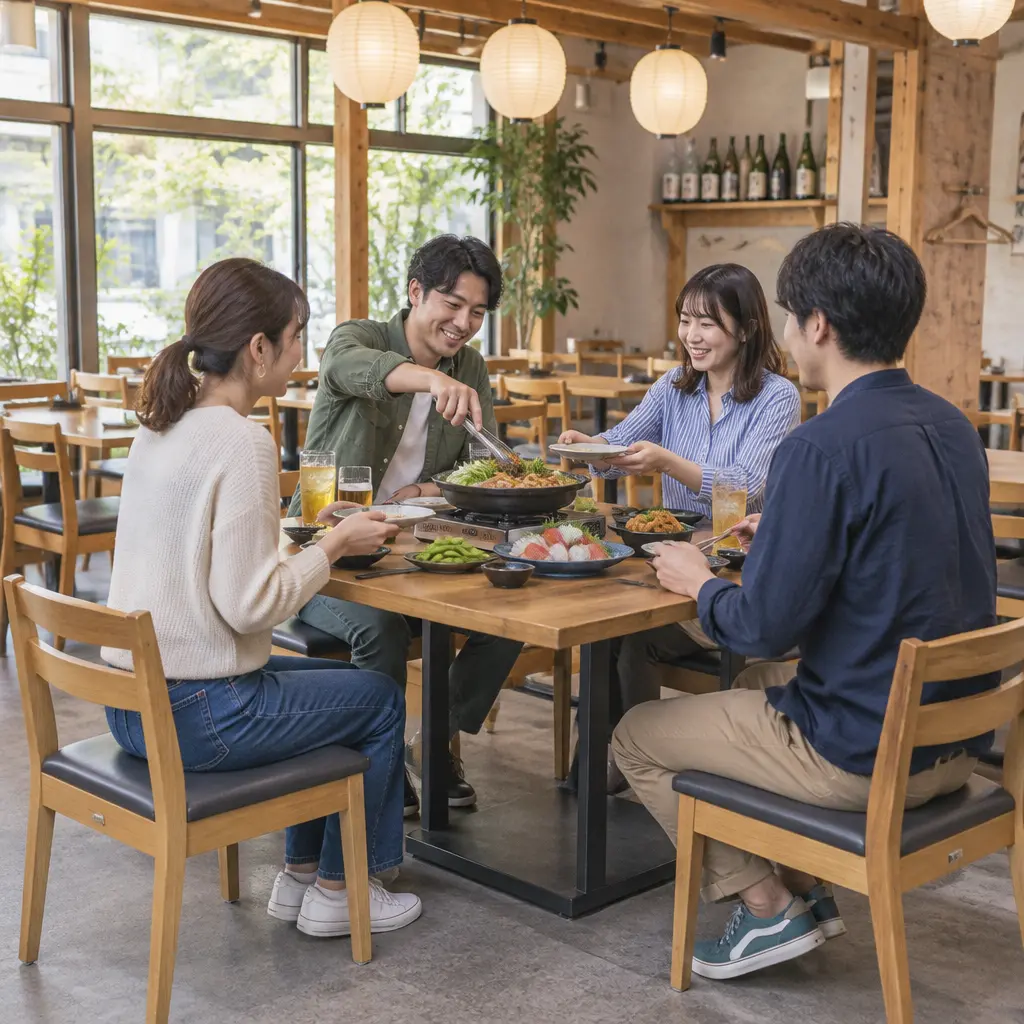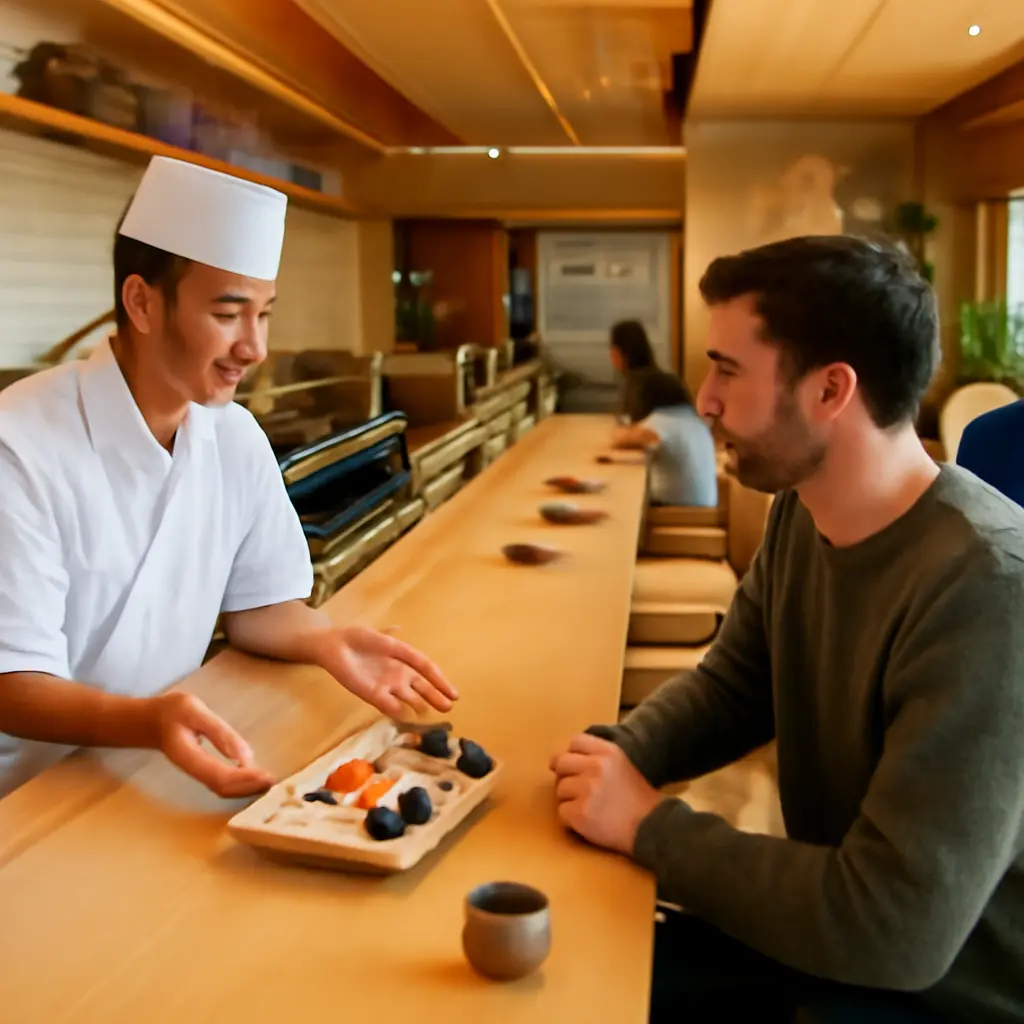
Omakase is a Japanese dining format in which guests entrust the meal’s selection and sequence to the chef. It can be adventurous, but beginners do not have to arrive with expert sushi knowledge or eat every unfamiliar ingredient: they can ask about the menu, mention preferences and allergies, and choose a more structured or approachable experience. Understanding what omakase means, how its formats differ, and how to communicate with the chef makes it easier to decide whether the experience suits you.
Omakase’s defining attribute is a chef-led meal
“Omakase” comes from the Japanese expression “omakase shimasu,” commonly translated as “I leave it up to you.” In a restaurant, it means the diner leaves much of the food selection to the chef. It is a dining arrangement rather than one fixed recipe or a guarantee that every course will be raw fish.
The Japan National Tourism Organization describes omakase as entrusting the choice of dishes to the chef. In practice, the chef may shape the meal around available ingredients, seasonality, and the restaurant’s style. The format is especially associated with sushi counters, where pieces can be served one at a time, but chef-selected courses can also include cooked dishes, soup, and dessert.
A sequence, not simply a surprise
An omakase meal usually unfolds course by course. At a sushi counter, a chef might serve sashimi, nigiri, or a hand roll in a deliberate order; elsewhere, the menu may include grilled, simmered, or seasonal dishes. The sequence gives the chef control over pacing and progression, while diners can still share relevant preferences before the meal begins.
That distinction matters for newcomers: agreeing to omakase does not mean agreeing to undisclosed ingredients or surrendering the ability to ask questions. A good restaurant should be able to explain what it serves and discuss allergies or dietary restrictions in advance.
Seasonality and the chef’s choices
Seasonality is one reason diners choose a chef-led menu. The chef can select ingredients that are available and appealing at that time rather than relying on a fixed list of dishes. The result varies by restaurant, region, and date, so two omakase meals need not be identical.
Omakase is also not automatically the most expensive option in a Japanese restaurant. Prices, course counts, and what is included differ widely. Before booking, check the restaurant’s current menu and price, whether drinks or service charges are extra, and how long the meal is expected to take.
Omakase formats give beginners different ways in
The most familiar form is sushi omakase, but the broader idea is a chef-selected meal. Knowing the main formats helps beginners choose an experience that matches their appetite, budget, and comfort with unfamiliar foods.
Sushi-counter omakase
At a sushi counter, the chef commonly prepares and serves pieces in sequence, often with attention to the fish, rice, seasoning, and timing. Some menus focus mostly on nigiri; others include sashimi, cooked courses, or a hand roll. Ask whether the restaurant offers a shorter or less adventurous sequence if you are unsure about raw fish or particular ingredients.
Chef-selected Japanese courses
A non-sushi omakase may feature a succession of Japanese dishes selected by the kitchen. Depending on the restaurant, that could mean cooked seafood, vegetables, grilled items, or other seasonal preparations. This can be a useful option for diners who like the chef-led format but do not want a meal centered on raw fish.
Tasting menus and set menus are not always omakase
Restaurants sometimes use “tasting menu,” “chef’s menu,” and “omakase” in overlapping ways, but the terms do not necessarily promise the same level of choice or interaction. A set menu may be printed and fixed; an omakase may give the chef more discretion to adjust the meal. Read the menu description or ask the restaurant what the term means there.
Beginners can prepare without giving up the experience
Preparation does not require memorizing sushi terminology. The most useful steps are practical: select a restaurant whose price and format are clear, communicate restrictions early, and ask what to expect. These habits help the chef plan while preserving the pleasure of discovering the meal as it arrives.
Check the menu, price, and reservation details
Look for the course price, approximate duration, cancellation policy, and whether the menu is predominantly raw seafood. If the restaurant offers multiple course lengths or price levels, a shorter option may be a comfortable introduction. When the details are not online, contact the restaurant rather than assuming the meal will fit your budget or schedule.
Share allergies and preferences clearly
Tell the restaurant about allergies and dietary restrictions when booking, then confirm them with staff on arrival. Distinguish a medical allergy from a preference, and be specific about ingredients or cross-contact concerns. Do not assume that a chef can safely accommodate every restriction; ask directly before committing to the meal.
You can also mention that you are new to omakase, prefer cooked seafood, or would like explanations of unfamiliar items. These are reasonable requests. The restaurant can tell you whether it can adapt the menu and whether substitutions affect the price.
Ask questions and eat at a comfortable pace
A brief question such as “What is this fish?” or “Is this meant to be eaten in one bite?” can make a course easier to enjoy. Follow the chef’s guidance on seasoning and timing, but speak up if you need clarification. If you are unsure about an ingredient, ask before eating rather than feeling pressured to guess.
Omakase is best approached as a conversation
The chef-led format works best when trust goes both ways: the diner lets the chef guide the meal, and the restaurant explains what it can provide. That does not require adventurousness for its own sake. A beginner can enjoy the craft, pacing, and seasonal choices while setting clear boundaries about allergies, budget, and foods they do not eat.
In short, omakase means entrusting the selection to the chef, not agreeing to every possible surprise. Sushi-counter meals, cooked Japanese courses, and other chef-selected menus offer different entry points. Check the restaurant’s details, communicate in advance, and choose a format that feels inviting; further reading from the Japan National Tourism Organization can help explain the dining tradition before you book.
Sources: Japan National Tourism Organization, “Omakase: The Chef’s Choice,” https://www.japan.travel/en/guide/omakase/.